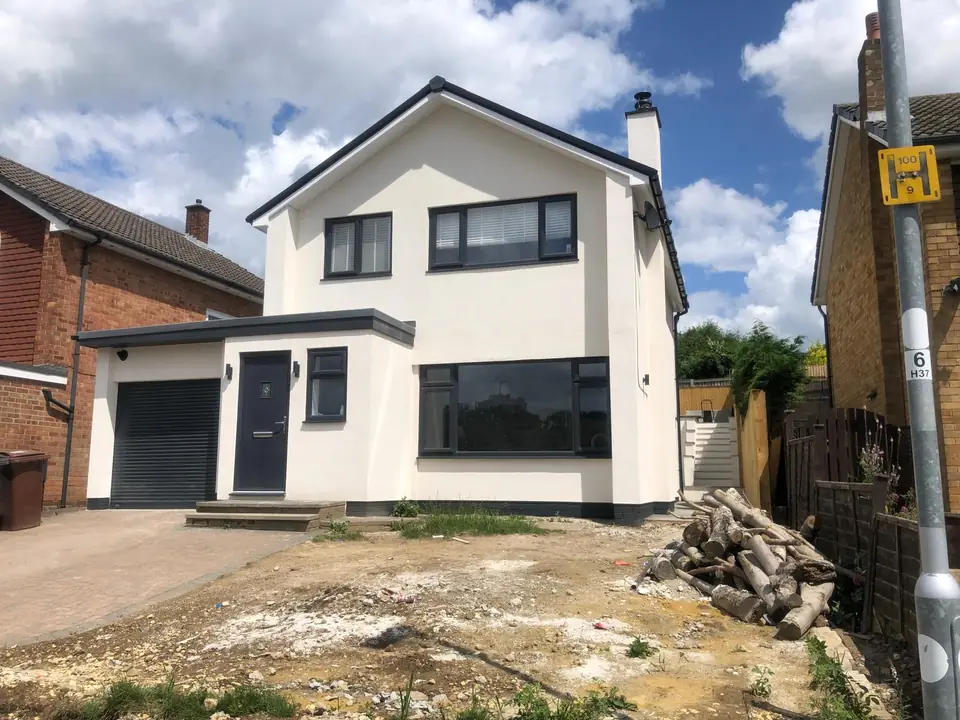
What is a coloured render system?
A coloured render incorporates pigment into the finishing material. Unlike a plain render that receives a separate paint finish, its colour forms part of the specified coat. Different products have different binders, textures and application requirements, so the full system matters as much as the shade.
Silicone and acrylic finishes are options within this service. They are not interchangeable specifications for every surface. The substrate, exposure and existing coatings help determine what is appropriate. John will explain the proposed build-up and finishing texture rather than ask you to choose from colour names alone.
Finding the right appearance
A sample is a useful starting point. The same shade can look warmer or cooler next to brick, stone, roof tiles and window frames. Large elevations also read differently from a small sample, particularly as daylight changes. Think about the whole house, including the plinth, soffits, guttering and boundaries.
For an extension, you might want to complement the original house or make the newer work clearly distinct. On a semi-detached home, the junction with the neighbouring property deserves attention. John can discuss how the finish will meet existing materials and which edges will remain visible.
Which walls can receive it?
Coloured finishes can be suitable for new work and the refurbishment of existing rendered walls, subject to assessment and compatible preparation. A modern appearance does not remove the need to check older masonry, existing paint or the condition of the base underneath.
A thin finishing coat is not a levelling treatment for deeply uneven walls, and colour cannot conceal movement or ongoing damp. The background may need repair, a base coat or removal of unsound material. On traditional solid walls, the permeability of every layer needs consideration. Where appearance is controlled by planning or listed status, check permissions before specifying a change.
Preparation and application
John begins by checking the wall and agreeing the intended finish. The quote should set out the preparation, build-up, access and areas to be treated. Window reveals, corners and junctions with other cladding are considered at this stage so that the work has clear boundaries.
Once the background is ready, compatible base preparation and any specified reinforcement are installed before the finishing coat. Consistency in application and working across suitable breaks in an elevation help the finished appearance. Weather and drying conditions affect the programme, and exposed surfaces may need protection while the material cures.
A finish to look after
Incorporated colour can reduce the need for a separate initial painting stage, depending on the chosen system. It does not mean that an exterior needs no maintenance. Dirt, algae, damaged sealants and overflowing gutters can affect a wall regardless of the finish used.
Ask John about an appropriate cleaning method and the details to inspect over time. Avoid treating a textured render as if it were paving or using aggressive cleaning without checking the material’s requirements. If a later repair is needed, colour matching can depend on weathering as well as the original shade.
Coloured render describes the final appearance; it does not by itself specify insulation. If your project includes an insulation layer, that needs its own designed build-up. Our thin coat render page explains this distinction. You can also view real exterior finishes in the projects gallery, where the photographs show texture, edges and the effect across a whole house.
Good questions
Before you choose.
Can I see the texture before choosing?
Ask John about samples for the proposed system. Reviewing colour and texture together is more useful than choosing from a screen alone.
Will coloured render insulate my home?
A decorative coloured coat is not a complete insulation system. Any thermal upgrade needs to be considered separately as part of the wall specification.
Is coloured render maintenance free?
Exterior finishes need care. John can explain suitable cleaning and the checks needed around gutters, openings and joints for your chosen material.