Understanding the finish
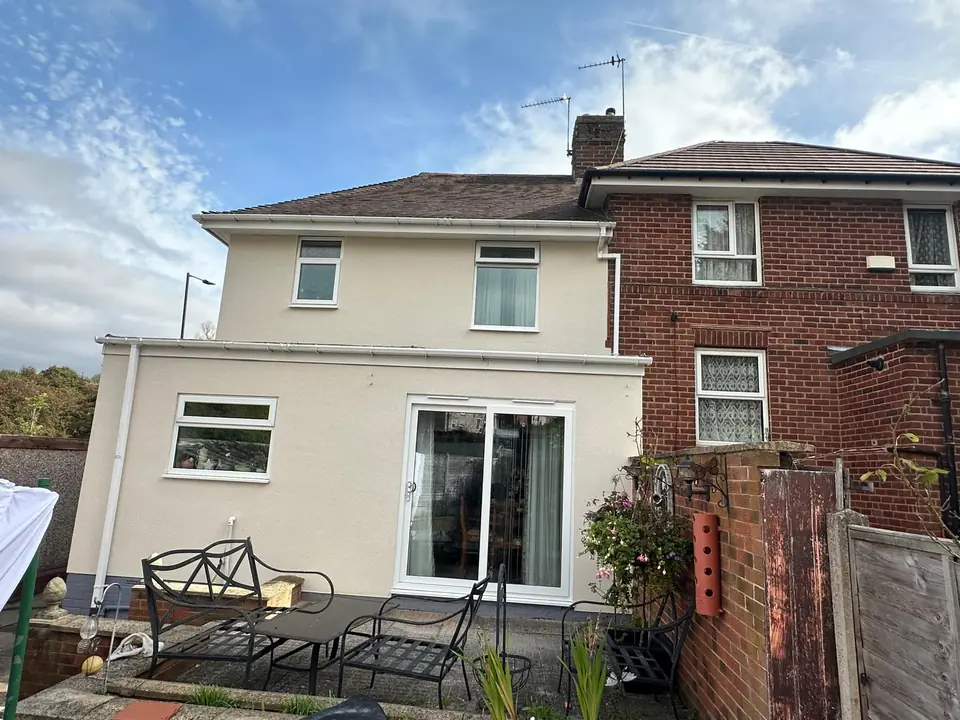
Render is applied to external walls to form a protective and decorative surface. Traditional sand and cement systems are built up and finished to suit the specified appearance. Smooth, floated and textured finishes have different visual qualities, and the choice affects how an elevation sits alongside windows, stone details and neighbouring houses.
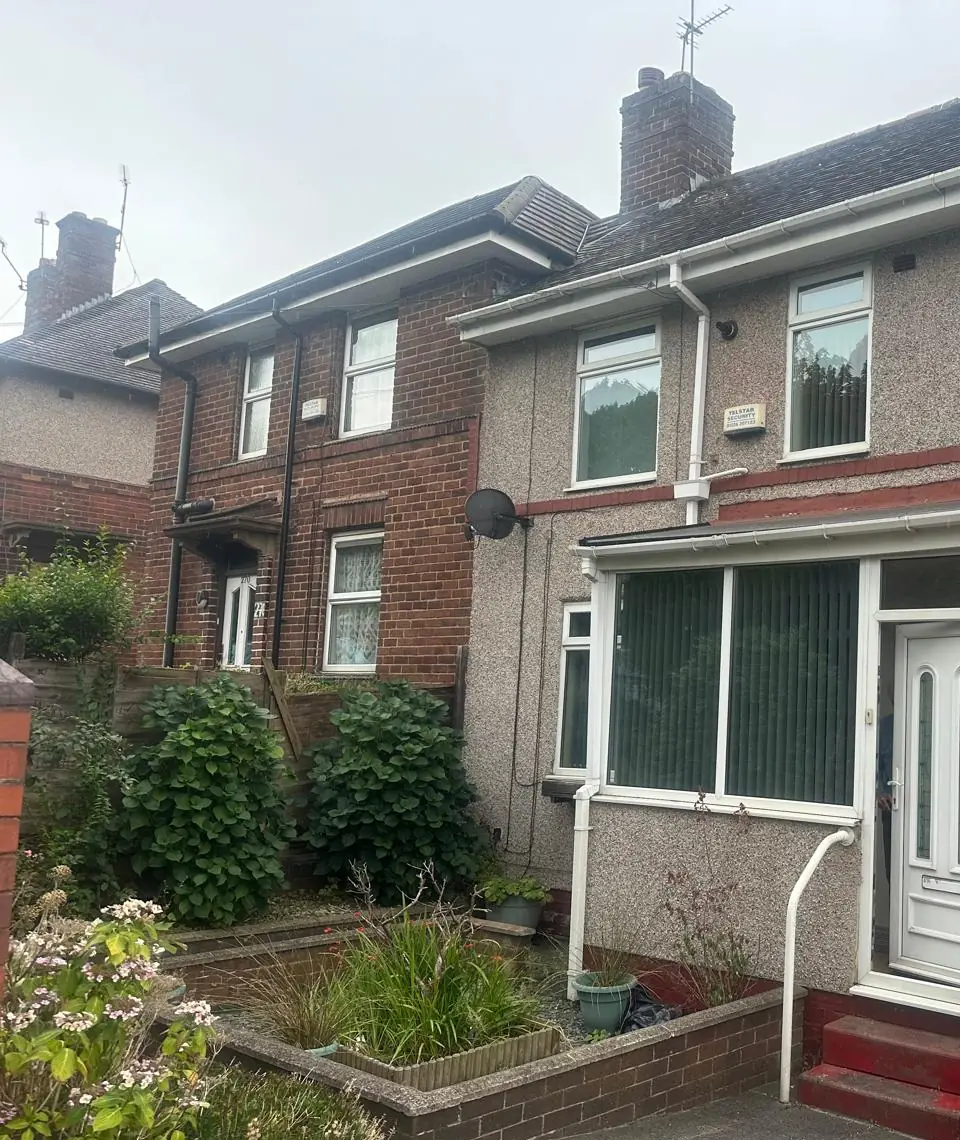
Roughcast has a coarser texture, while tyrolean creates a finer sprayed texture. Pebbledash is another distinct finish, with aggregate embedded into the surface. If you are unsure what is on your house now, describe its texture and condition to John. Identifying the existing material helps shape the next step.
Is traditional render right for your property?
The strength and permeability of a render need to be compatible with the masonry beneath. A dense cement-rich finish is not suitable for every older wall. Soft brick, stone and buildings originally constructed with lime need particular care when a change of finish is being considered.
John assesses the substrate, exposure, existing coatings and the overall condition before recommending a system. On a period building, the conversation may include retaining an existing finish or seeking a more appropriate material specification. Changing the outside appearance can also require permissions, especially where the building or its setting is protected.
Removing pebbledash and failed render
Loose, hollow or badly cracked render may need removal before a new finish can be applied. Pebbledash removal has to be planned with the underlying wall in mind. The condition of hidden masonry is not always clear until work begins, so the quote and discussion should explain how additional findings will be handled.
Removing a coating does not always reveal brickwork suitable to leave exposed. Old repairs, uneven surfaces and damage may make a new rendered finish the more practical option. John can explain what is visible at survey stage and where there is uncertainty, helping you make decisions with the right expectations.
Preparation and the details that matter
Preparation can involve removing unsound material, cleaning, repairing the background and controlling suction before the render goes on. Corners, openings and changes of substrate need appropriate detailing. Existing movement joints should be recognised rather than simply rendered across.
Water has to shed away from the building. Window sills, drips, roof edges, damp-proof courses and the base of the wall all influence how a new finish performs. Air bricks and other ventilation openings must remain functional. John also plans protection for glazing, paving and planting, and considers access along boundaries or narrow side passages.
Application and aftercare
The render is applied in the appropriate stages for the chosen system, allowing for curing between coats. Site conditions affect the programme. Strong sun, frost, rain and wind can all influence when exterior work should proceed and what protection is needed.
At the finishing stage, attention turns to texture, lines and junctions. The completed surface may need decoration depending on the specification. Ask John how the chosen finish should be maintained and what to check around gutters, pipes and sealant joints over time.
If you want colour incorporated into the finishing material, compare our coloured render systems. For a finer textured appearance, see thin coat rendering. Every route starts with the same question: what is sound, compatible and practical for this particular wall? Get in touch with your postcode and a description of the existing exterior for a free quote.
Good questions
Before you choose.
Can you remove old pebbledash?
Yes, pebbledash removal is part of the service. John first checks the existing finish and discusses the likely preparation of the wall beneath.
Will new render hide structural cracks?
Cracks need assessment before they are covered. Render is a surface finish and cannot resolve an underlying structural problem.
Does traditional render need painting?
That depends on the finish specified. Discuss the final appearance, decoration and ongoing care with John before choosing the system.