Look beyond the surface
Halifax’s industrial past is reflected in its stone buildings and terraced streets. Some homes retain exposed masonry; others have later renders, paint or internal linings. An older-looking exterior may conceal several generations of repair, so a suitable finish depends on more than the appearance from the pavement.
On sloping streets, the base of a wall and adjoining ground can vary along a single elevation. Damp marks at low level need proper investigation rather than an assumption that coating the surface will solve them. Ground levels, gutters and nearby roofs may all be relevant to the assessment.
When cork is worth discussing
Cork spray is a surface treatment made from cork granules and a water-based binder. Applied over compatible preparation, it forms a continuous textured coat. John works with TIWI CorkSpray and is a TIWI-accredited cork plasterer, with 15+ years in the trade.
The material’s insulating properties do not mean that a thin coating replaces a designed insulation system. Thermal performance depends on the thickness and the whole wall build-up. Be clear about whether you want a different appearance, a cork-based interior finish or advice on a wider insulation project.
Inside options for a stone frontage
Where you want to retain the exterior character of a house, internal work may be a useful starting point. Cork plastering has a different texture from a conventional skim. John can discuss both, including how the finish would meet skirting, window reveals and existing plaster.
Internal coatings still need a sound background. Peeling paint, salts and persistent moisture should be assessed before finishing. If other building work is planned, coordinate wiring, plumbing and repairs first where practical. That helps avoid opening up a newly finished wall to complete work that was already needed.
Planning access and exterior details
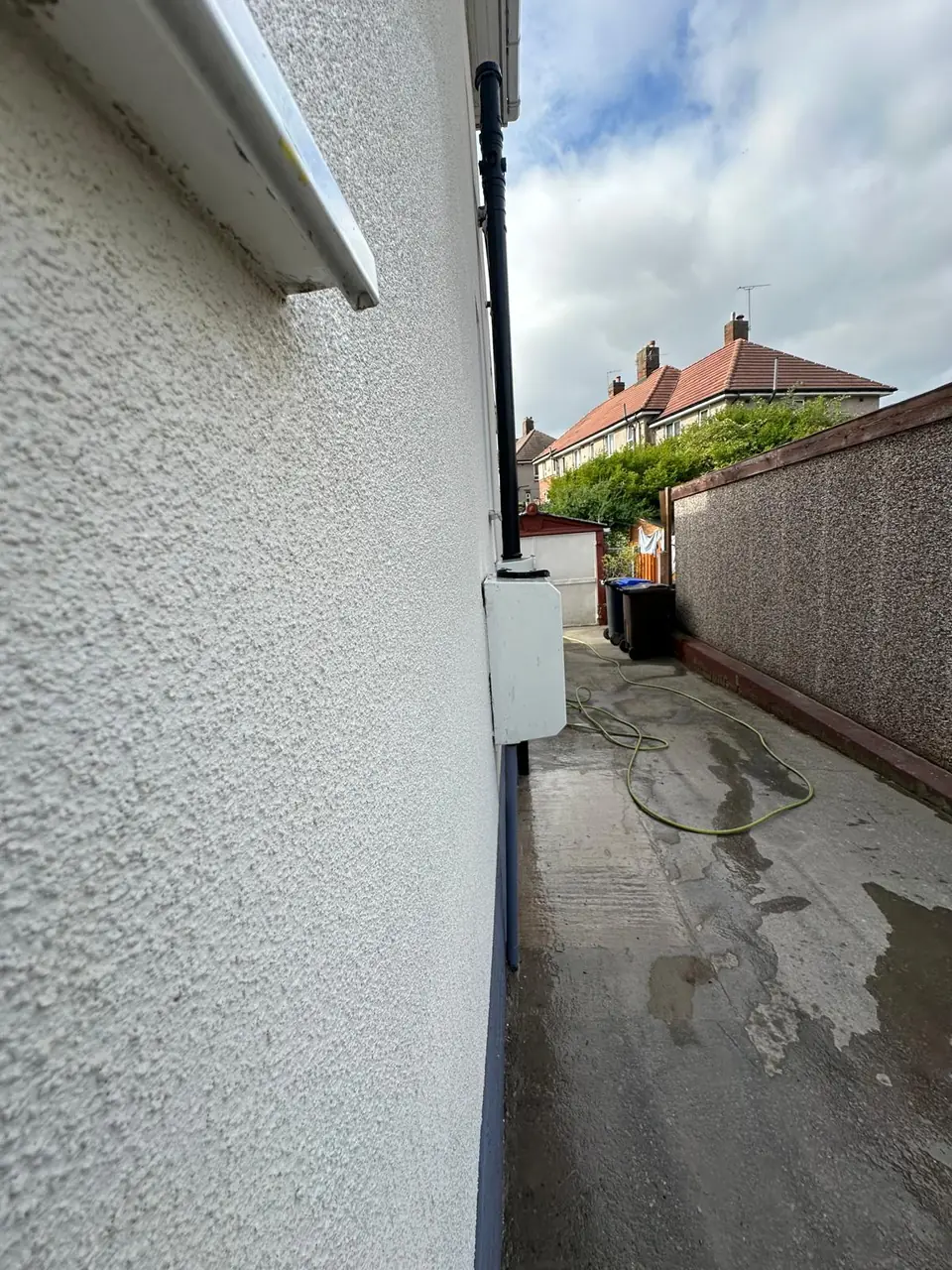
A rendered rear elevation or extension can need quite different preparation from the front of the same house. John checks loose material, visible movement and junctions between substrates. Where the wall is unsuitable for the proposed system, preparation or a different approach needs to be agreed.
Terraces may have shared passages, steep steps or neighbouring roofs close to the work. Mention those constraints early. Sills, vents, pipework and the bottom edge of the render need practical detailing so the finish works with the building. Exterior application is also scheduled around appropriate weather and drying conditions.
Halifax and wider West Yorkshire
Eco Coatings covers Halifax alongside Huddersfield, Bradford, Keighley and Shipley, with UK-wide work also available to discuss. John is on every job, so your enquiry goes to the person who will assess and carry out the agreed work. There is no need to choose a product before asking for advice.
Browse the six service pages to compare cork coatings with traditional, coloured and thin coat render. The projects gallery shows real work without assigning unsupported local details to the photographs. For a free quote, send your postcode, property type and a description of the wall or room. Explain any moisture concerns and the finish you would like to retain or change.
Good questions
Your local project.
Can you discuss a rendered rear wall on a Halifax terrace?
Yes. Tell John about the existing finish and access through or around the property. Those details help establish the preparation and practical scope.