From a fresh skim to a full replaster
Plastering covers several different jobs. A skim gives a suitable existing surface or plasterboard a fresh finishing layer. A fuller replaster may involve removing failed material and rebuilding the surface before the final coat. The right method depends on what is already there, how firmly it is attached and the condition of the wall.
John will discuss whether a patch repair, a complete wall or a whole room makes sense. Treating the visible crack alone may leave the underlying cause untouched. Where different backgrounds meet, or a wall has been altered, the preparation and junction details need particular thought.
Rooms, extensions and renovation work
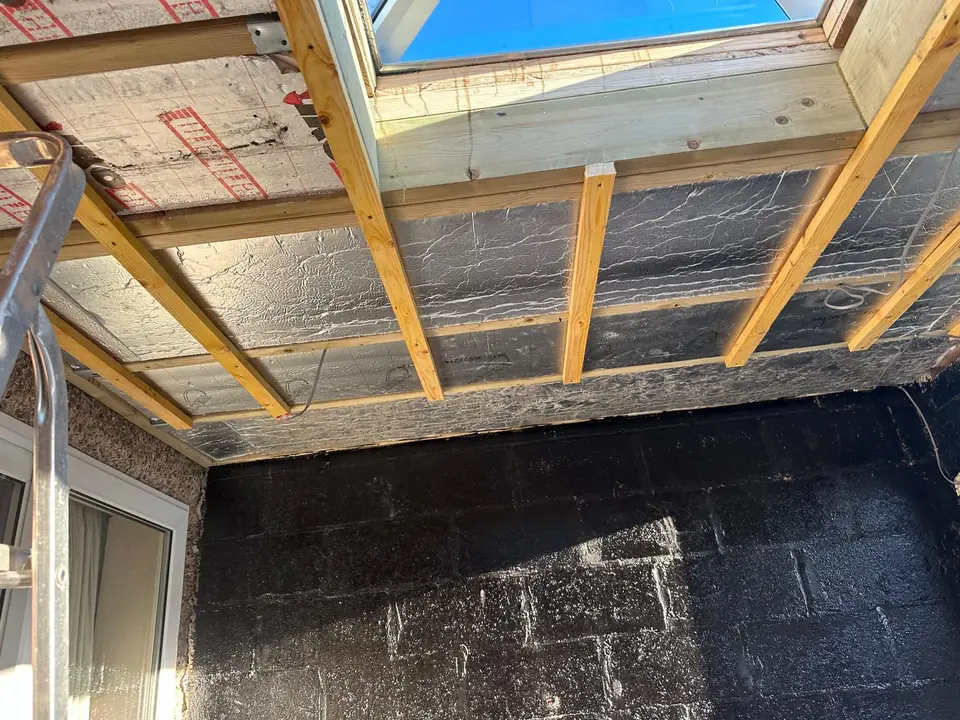
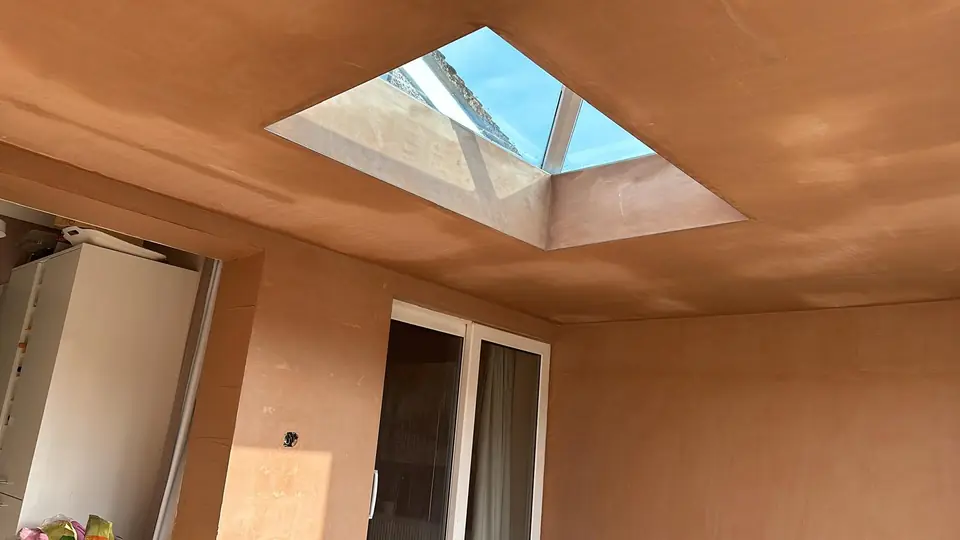
Conventional plastering is a practical choice when you want walls ready for decoration. It can bring consistency to rooms with old repairs, finish new plasterboard in an extension, or make good after agreed alterations. Ceilings, window reveals and awkward corners are part of the overall finish, so include them when you describe the job.
In a renovation, the order of work matters. Electrical and plumbing changes should be coordinated before the final finish where possible. If joinery, windows or flooring are also being replaced, tell John at the start. Planning those stages reduces the chance of newly finished plaster being disturbed by the next trade.
Choosing the right background
A sound, clean and suitably prepared background helps plaster bond and dry as intended. Existing paint, loose plaster, mixed materials and very absorbent surfaces each need consideration. John checks the wall rather than assuming that every room can simply be skimmed over.
Older solid walls sometimes need a different material approach from a modern plasterboard partition. Persistent damp, salts or decayed masonry should be investigated before a new finish is applied. A fresh skim can improve appearance, but it is not a repair to a leaking pipe, defective roof or unsuitable wall construction.
Preparation and protection
Clear working space is needed around the surfaces being treated. John agrees access, protection for floors and adjoining fittings, and which preparation tasks are included. Tell him about fitted furniture, delicate finishes and any rooms you need to keep in use during the work.
Unknown older textured coatings should be assessed before they are disturbed. If asbestos might be present, appropriate specialist advice or testing is needed before sanding, scraping or removal is considered. Discuss this early if you want a textured ceiling changed, rather than treating it as a routine part of skimming.
Application, drying and decoration
Once the background is ready, the chosen plaster system is applied and finished with care around edges, corners and openings. The aim is a coherent surface suited to the decoration you have planned. John is on every job, so you can speak directly to the person carrying out the work.
Drying time depends on the materials, thickness, room conditions and ventilation. Let the plaster dry properly before decorating, and follow the recommendations for the chosen finish and paint. Strong direct heat can cause uneven drying. John will explain the next steps rather than leave you guessing when a room can be painted.
For a quote, send your postcode and explain whether the job is a ceiling, walls, a room or an extension. Mention loose plaster, previous leaks and planned building work. You can also compare internal cork plastering if your priorities include a cork-based coating rather than a conventional finishing plaster.
Good questions
Before you choose.
Can you skim over existing plaster?
Often, if it is sound and suitable. Loose areas, moisture damage and incompatible finishes need attention before a skim can be recommended.
When can I paint new plaster?
Wait until it has dried fully and use a decorating method suited to the plaster and paint. John will give guidance for the materials used on your job.
Do you plaster extensions?
Yes. Tell John about the stage of the build and the other work planned so access and the plastering sequence can be considered together.