What is external cork rendering?
Cork rendering uses a spray-applied mixture of cork granules and a water-based binder to form a textured surface coating. John works with TIWI CorkSpray and is a TIWI-accredited cork plasterer. The material is applied to a prepared substrate rather than expanded into a cavity like spray foam.
The system needs to be specified as a complete build-up, with compatible preparation and a clear understanding of the existing wall. A cork coating has different dimensions and thermal performance from insulation boards finished with render. John will explain which type of work your project calls for rather than use the terms interchangeably.
Where it may be appropriate
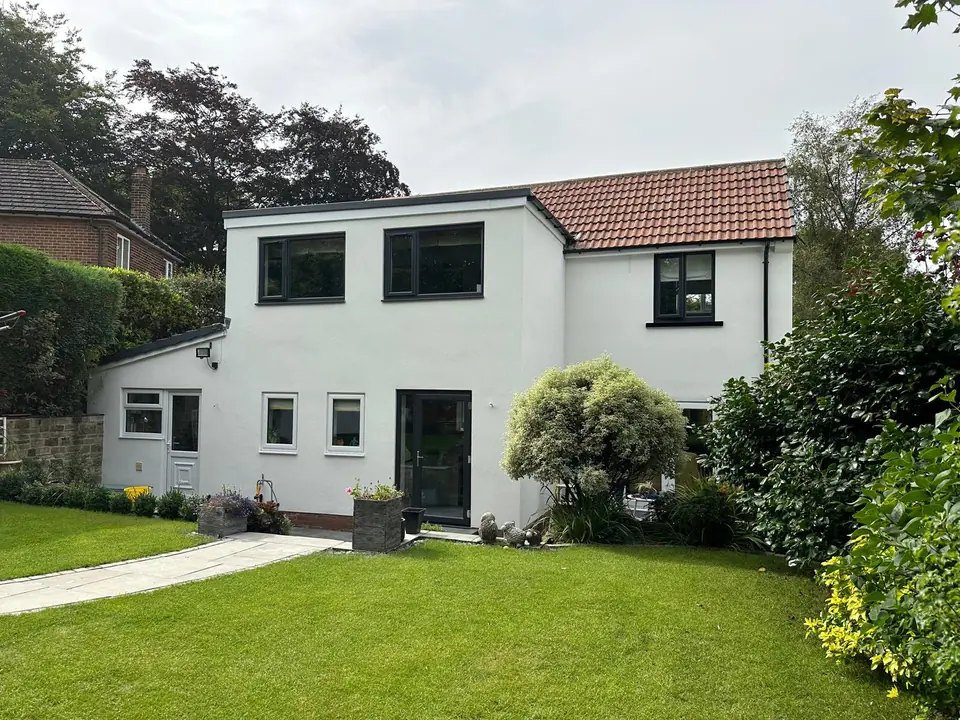
External cork is an option to consider for suitable rendered or masonry surfaces where you want a continuous coating with a distinctive fine texture. Detached houses, semis, extensions and commercial walls all present different combinations of access, exposure and existing materials. A survey establishes whether the substrate can receive the proposed system.
On traditional buildings, covering exposed brick or stone changes their appearance and may alter how the wall dries. Original details, conservation requirements and permissions need consideration before a finish is chosen. A material being cork-based does not make it automatically suitable for every older building.
What cork can contribute
Cork’s insulating properties and the vapour permeability of a suitable coating are reasons to explore it. The installed thermal effect depends on thickness and the whole wall construction. We do not attach a fixed energy saving to a new coating, and it should not be assumed to meet an insulation target without a suitable specification.
A water-resistant surface can help shed rain at the face of a wall. Gutters, roof edges, sills, cracks and ground levels still have to work properly. The water-beading demonstration on our home page shows the surface response of a sample; it is not a test of a completed building’s resistance to damp.
Assessing and preparing the outside
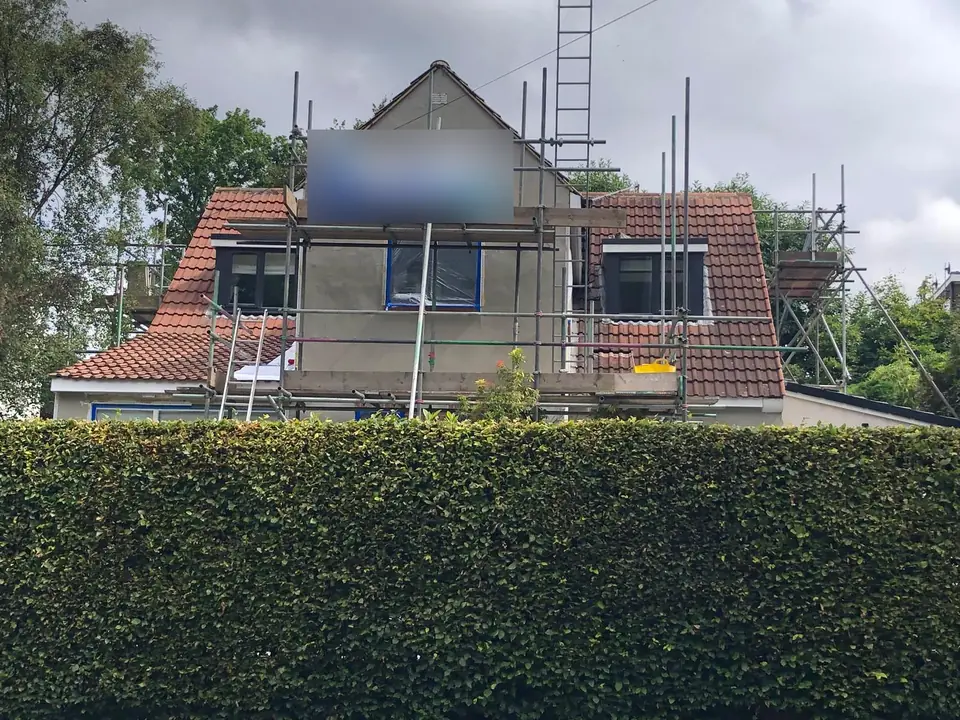
John checks whether existing render or paint is sound and looks for hollow areas, loose edges and visible cracking. Any source of ongoing moisture needs attention. Cleaning, repairs and compatible preparation are agreed before application. Where the existing finish is unsuitable, removal or a different approach may be necessary.
Protection and detailing matter just as much as the main wall area. Windows, doors, paving and planting need to be considered, along with vents, pipes and service entries. The coating must not obstruct ventilation openings or cover details that need to remain accessible. Safe access is planned around the property.
How the work is carried out
Your first conversation can begin with a postcode and a description of the walls. John assesses the property, discusses the finish and explains the preparation in the quote. This is the stage to raise colour preferences, access limitations, neighbouring boundaries and any other planned building work.
Application follows once the substrate and conditions are suitable. Weather, drying and protection affect the sequence, so exterior work needs a practical programme rather than a fixed promise before assessment. John is on every job and reviews the finished surfaces and details with you. Ask him about appropriate cleaning and future maintenance for the specified coating.
Good questions
Before you choose.
Is cork rendering the same as external wall insulation boards?
They are different systems. Cork spray is a surface coating. Insulation boards add a separate insulating layer. John can help establish which approach matches your aim.
Can cork go over my existing render?
Possibly, if the render is sound and compatible. Loose, cracked or damp surfaces need assessment and preparation first.
Can I choose a colour?
Discuss the available finish and colour options with John. A sample is a useful way to review texture and appearance before the work is agreed.